Turkey Camping Font for Editorial Design
There’s a quiet moment in the design process when you know you’ve found the right font. It’s not just about aesthetics—it’s about how the typeface feels in the context of the content it supports. Recently, while redesigning the header for a lifestyle blog focused on travel and mindfulness, I stumbled upon Turkey Camping, a handwritten font with a contemporary edge that felt both familiar and fresh.
A Handwritten Font with Modern Rhythm
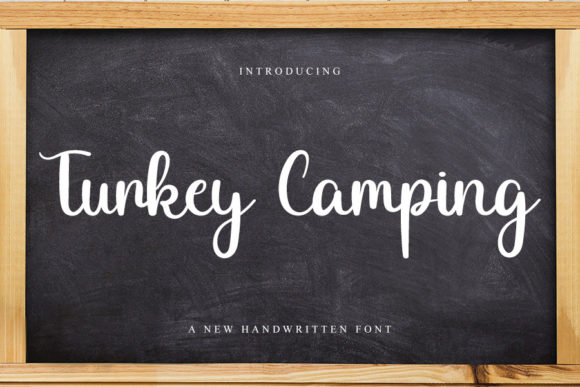
Turkey Camping is a script font that strikes the perfect balance between elegance and approachability. Inspired by timeless calligraphy, it carries a sense of organic flow without sacrificing clarity. Its strokes are neither too thin nor too thick—there’s a natural variation that gives it character. The rhythm of the letters feels intentional, like a practiced hand moving across the page with purpose.
This font has a warm, inviting personality that suits a wide range of editorial contexts. Whether it’s used for a magazine cover or a pull quote in a digital article, Turkey Camping adds a layer of visual interest that doesn’t distract from the message.
Real-World Application: A Lifestyle Blog Redesign
In my recent project, I tested Turkey Camping as the primary font for the blog’s header. The result was striking. The font immediately conveyed a sense of creativity and authenticity, aligning well with the blog’s focus on mindful living and travel. It worked beautifully alongside a clean sans serif font for body text, creating a balanced hierarchy that guided readers through the content effortlessly.
I also experimented with using Turkey Camping for section headings and feature titles. Its expressive nature added a touch of personality to each section, making the layout feel more dynamic and engaging. For pull quotes, the font brought attention to key phrases without overwhelming the reader.
Readability and Practical Considerations
While Turkey Camping excels in display settings, it’s important to consider its use in longer reading formats. As a handwritten script font, it’s best suited for headlines, titles, and decorative accents rather than dense paragraphs or small captions. In print materials, it maintains good legibility at larger sizes, but for screen reading—especially on mobile devices—it’s essential to ensure sufficient spacing and contrast.
For those working on PDF exports or print publications, testing the font at different sizes and line heights is crucial. Turkey Camping performs well in these formats when paired with a complementary serif or sans serif font for body copy. This ensures readability while maintaining a cohesive visual identity.
Font Pairing and Editorial Identity
One of the strengths of Turkey Camping is its versatility in font pairing. When combined with a modern sans serif font like Helvetica Neue or a classic serif font like Garamond, it creates a harmonious contrast that enhances the overall design. This makes it an excellent choice for content branding, whether you’re designing a newsletter, a course PDF, or a printable planner.
The font’s included styles and alternates offer additional flexibility. Ligatures and stylistic sets allow for subtle variations that can be used to emphasize certain elements or add a unique flair to your layouts. Checking for multilingual support and commercial licensing is also recommended, especially if the font will be used in paid products or client projects.
When to Use and When to Avoid
Turkey Camping shines in editorial designs that require a touch of personality and warmth. It works exceptionally well for blog headers, magazine covers, chapter openers, and creative worksheets. However, it may not be the ideal choice for formal reports, dense academic texts, or long-form articles where readability takes precedence over visual appeal.
If you’re looking for a font that brings emotion and style to your content without compromising clarity, Turkey Camping is a compelling option. Its ability to support visual hierarchy, reader attention, and publication identity makes it a valuable asset in any designer’s toolkit.