Gorilla: A Handwritten Font That Elevates Digital Branding
It was a late afternoon when I first tested Gorilla on a hero section for a boutique online store. The layout was simple—just a bold headline over a full-width image of handcrafted candles. I wanted something that felt personal, warm, and inviting. That’s when I landed on Gorilla, the stylish and natural-looking handwritten font from Script Amp. It wasn’t just about aesthetics; it was about creating a digital experience that resonated with the brand’s identity.
A Natural Fit for Hero Sections and Brand Headlines
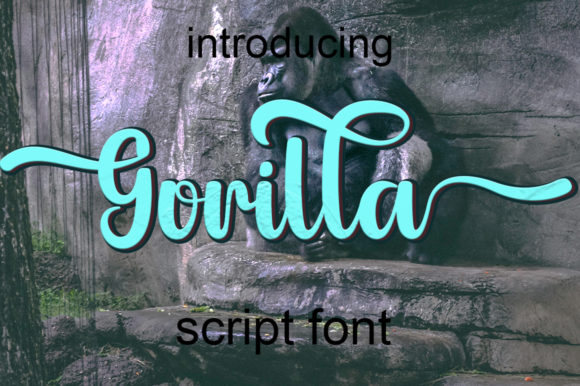
Gorilla has a unique visual personality—it feels like a real person’s handwriting, with gentle curves and expressive flourishes. This makes it ideal for website headers, landing page titles, and promotional banners where you want to add a touch of authenticity. When I placed it over an image of a rustic candle jar, it didn’t just sit on top; it became part of the story.
The font’s charm lies in its ability to evoke emotion without being overly ornate. It works especially well for brands that lean into a handmade or artisanal vibe. Whether it’s a creative portfolio site, a coaching website, or a product landing page, Gorilla brings a sense of luxury and personalization that can elevate your design.
Responsive Design and Readability Across Devices
I tested Gorilla across multiple screen sizes, from desktops to mobile devices. On larger screens, the font looked elegant and eye-catching, perfect for a hero section or a call-to-action button. But what about on smaller screens? I was concerned that the intricate details might get lost or become difficult to read.
Surprisingly, Gorilla handled responsiveness quite well. While it’s not suitable for long paragraphs or dense text blocks, it shines when used as a display font. For short phrases, headlines, and decorative accents, it maintains its legibility even at smaller sizes. Just be sure to pair it with a clean sans serif font for body copy to ensure a balanced hierarchy and maintain readability.
Font Pairing and Visual Hierarchy
One of the most important aspects of using Gorilla is knowing how to pair it with other fonts. As a decorative display font, it needs a strong, simple counterpart to balance the design. I found that pairing it with a modern sans serif like Helvetica Neue or Open Sans worked exceptionally well for websites that require both style and clarity.
For a more editorial feel, a classic serif font like Georgia or Merriweather could complement Gorilla nicely. This combination adds sophistication while keeping the overall design cohesive. When designing a course sales page or a blog redesign, this kind of font pairing helps guide the user’s eye and improves the overall reading experience.
Practical Uses for Gorilla in Web Projects
Gorilla isn’t limited to just headlines. Here are some practical uses I discovered during my testing:
- Hero sections: Perfect for grabbing attention with a bold, personalized headline.
- Landing pages: Great for feature titles or key selling points that need a bit of flair.
- Call-to-action buttons: Adds a personal touch to action prompts like “Shop Now” or “Join Today.”
- Blog headers: Ideal for article titles that want to stand out visually.
- Logo text: Can be used sparingly for logos that aim to convey a handmade or artistic brand identity.
However, I also noted that Gorilla may not be the best choice for small navigation text, form labels, or accessibility-focused interfaces. Its decorative nature makes it less readable in these contexts, so it’s best reserved for display purposes only.
Checking Licensing and Technical Details Before Use
Before finalizing any web project, I always check the font’s technical details and licensing. With Gorilla, I made sure to confirm that it includes webfont availability, multiple weights, and alternates if needed. It’s essential to verify whether the font supports multilingual characters if your site caters to a global audience.
Also, make sure to review the commercial font licensing terms before using Gorilla on client projects, online stores, or digital templates. Understanding the rules around usage ensures that your designs remain compliant and legally sound.
In the end, Gorilla proved to be a versatile and stylish addition to my design toolkit. It brought a personal touch to a boutique website, helped create a memorable hero section, and added warmth to a digital brand kit. If you're looking for a handwritten font that feels both luxurious and approachable, Gorilla is definitely worth considering for your next web design project.